
Noble Brow – What Is Microblading?
Discover the revolutionary microblading method and find out if this treatment is right for you.
In this article, you will learn:
✅ What is microblading?
✅ What does the microblading procedure look like?
✅ What are the effects of the microblading treatment?
✅ What are the contraindications for microblading?
Keep reading to learn everything you need to know about the microblading procedure!
What is microblading?
Permanent makeup has been a part of the cosmetic and aesthetic medicine industry for over 30 years, giving it a completely new dimension. Over time, the field of pigmentation has evolved significantly, and after years of decline, permanent makeup is once again enjoying a surge in popularity. This transformation is largely due to the emergence of new techniques—most notably the rise and refinement of the microblading method.
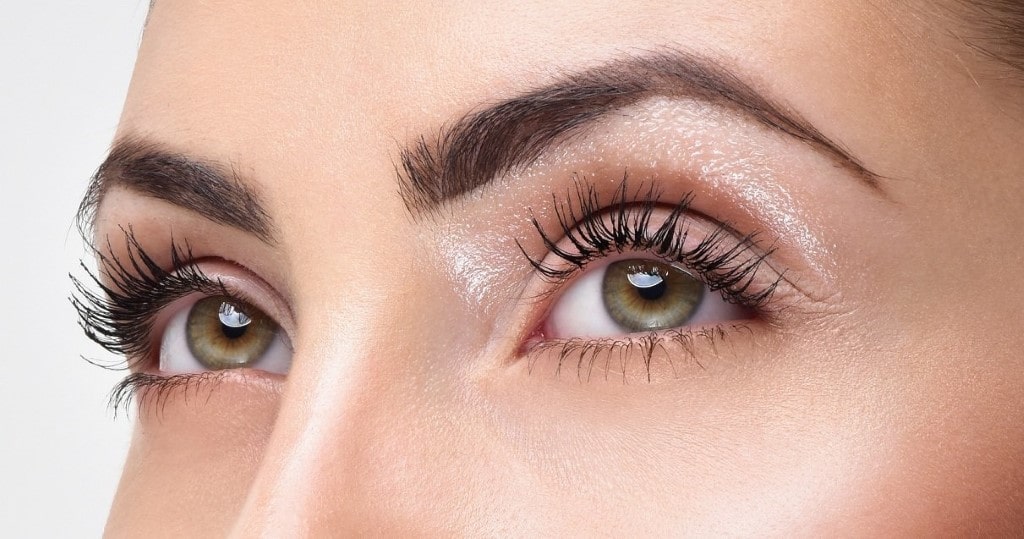
This revolutionary treatment opened the door to the world of micro-pigmentation for everyone who dreams of having long-lasting, yet incredibly natural and delicate eyebrows. When done properly, it allows for the perfect imitation of natural brows, their full reconstruction or partial enhancement.
What does the microblading procedure involve?
What exactly does the treatment entail, who can get it done, and how long do the results last?
This was thoroughly explained by Marianna Sukiennik – a linergist, Noble Lashes instructor and owner of the Perfect Lines Studio.
Where did the idea of introducing this service in the salon come from?
She has been working with micropigmentation for many years, as well as with eyelash extensions and volume techniques, in collaboration with Noble Lashes – a pioneer in the industry. Some time ago, the brand’s owners returned from Asia, the birthplace of the microblading technique. Impressed by the possibilities this service offers, they encouraged me to introduce it to my salon. Motivated by our long-standing and fruitful partnership, I accepted the challenge without hesitation, believing that continuous growth, innovation, training, skill development, and constant improvement are the foundation of true professionalism.
The world of permanent makeup is evolving rapidly – revolutionary machines, tools and accessories, constant modifications, new and proprietary techniques, shifting trends, and pigment quality – this industry demands staying up to date at all times. Success here is like riding a bicycle – either you keep moving forward, or you fall. On that journey, it’s good to have a reliable partner: solid, innovative, and always on time – just like Noble Lashes.

Discover the essential tools for microblading
Check out Noble Lashes accessories for microblading – pens, blades, holders, and more.
What results can microblading achieve?
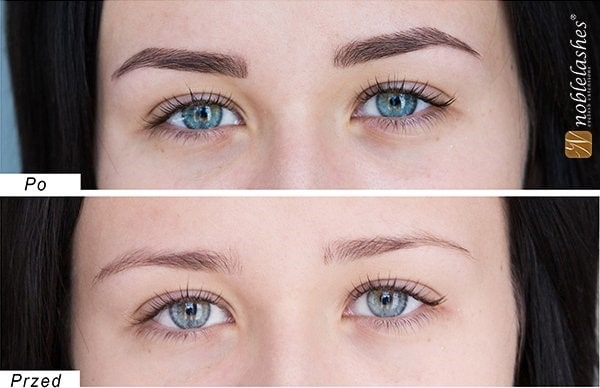
A natural effect – this phrase is hard to avoid when answering that question. It’s the most visible difference and the main reason why the world has gone crazy about Noble Brow microblading. Thanks to this technique, permanent makeup is no longer associated solely with artificial, exaggerated, grotesque, or overly dark eyebrows. The stunning results of microblading surprise even the greatest skeptics and critics of this beauty-enhancing method. Microblading gives us the ability to fool the human eye – the final look closely resembles naturally beautiful, symmetrical eyebrows.
So why do eyebrows created with the Noble Brow microblading technique look so natural?
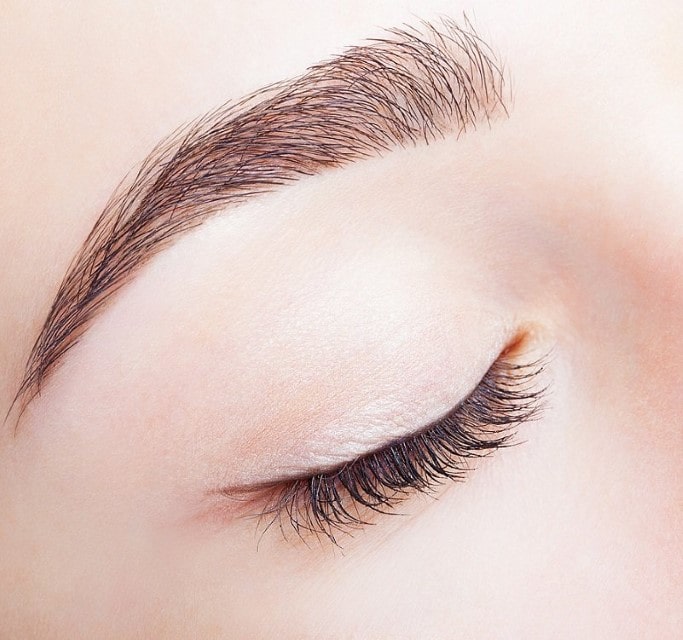
The secret lies in the technique itself, which involves creating tiny strokes that, when properly placed, closely mimic individual hairs. Unlike older methods that filled the entire brow area with a large, uniform patch of color, this approach leaves subtle spaces of untouched skin – just like in natural eyebrows. The edges aren't harsh, solid, or overly defined, and the overall look is far from artificial. This is because the amount of pigment used in the skin is significantly lower than in other techniques. Like architects rebuilding damaged brows, we can redesign them from scratch. Skillfully placed micro incisions realistically replicate the natural flow of eyebrow hairs.
Microblading and Eyebrow Reconstruction
Discover Noble Brow's techniques for microblading and brow reconstruction
What are the benefits of microblading?
Beautiful eyebrows mean something different to everyone. Time inevitably fades beauty – and permanent makeup is an effective remedy for making it less fleeting.
For those who already have some form of brows – often damaged by vitamin deficiencies, hormonal imbalances, scarring, or improper grooming – microblading offers the chance to restore, enhance, or reshape them (most often by thickening the arch, extending the tails, or lifting the shape), correct asymmetry, or darken the color. As a result, it saves time during daily makeup routines and may even eliminate the need for tinting products like henna.
For women we often meet in this profession – affected by serious illnesses like cancer, vitiligo, or psoriasis, which have caused complete loss of eyebrows – this procedure is more than just cosmetic. It’s a treatment for the soul. Most importantly, it’s a dose of confidence, a chance to look in the mirror with a shy smile and realize that not all is lost. That’s what I love about what I do – because for many, this seemingly simple change means a chance at a slightly brighter tomorrow.
Who is microblading for? – Contraindications
Microblading can be performed on anyone who does not have medical contraindications for the procedure. The microblading technique, like other permanent makeup methods or classic tattoos, involves injection – in other words, piercing and breaking the skin's continuity. Therefore, there are several medical conditions that exclude clients from undergoing such treatments. The most important contraindications include:
- Pregnancy
- Breastfeeding
- Cancer (clients currently undergoing chemotherapy)
- Uncontrolled diabetes
- Psoriasis
- Use of steroid or anticoagulant medications
- Allergy to any pigment ingredient
- Hemophilia
What does the procedure look like and how long do the results last?
Every treatment should begin with a thorough consultation with the client and the completion of appropriate forms, such as a medical or procedure card. This is followed by a discussion of the treatment process and a consultation regarding the desired shape and color. A preliminary, conceptual drawing is created on the client's face to help visualize the final effect. The most suitable pigment color is then selected and shown to the client. Once all the details are agreed upon and approved, the microblading procedure begins.
The treatment is performed under mild, localized anesthesia to ensure the client's comfort. After the procedure, the client is informed about post-treatment care and receives detailed instructions on how to look after the freshly microbladed brows until they are fully healed.
It's important to note that only sterile, single-use materials are used in permanent makeup procedures.
As for microblading durability, results typically last between 12 and 18 months. This depends not only on the selected color (lighter shades tend to fade faster) but also on the number of incisions in the skin, aftercare, and the individual characteristics of the client.
Who can perform the microblading procedure?
Aside from legal considerations related to running a beauty business, Polish law does not impose strict requirements for performing pigmentation procedures. In theory, it is enough to complete an appropriate training course. However, whether someone is suited to the profession of a linergist is another matter entirely – it’s something that cannot be taught, even by the best instructor.
A person working with permanent makeup, including microblading, should possess great creativity, artistic flair, imagination, talent, and passion. Patience, persistence, self-discipline in continuous improvement, and excellent interpersonal skills are also essential – after all, this is a rewarding but often emotionally demanding job. In conclusion, almost anyone can learn the technical aspects of microblading, but it’s a highly responsible craft. To master it, one must start by developing their own competencies.