Lash Mapping for Asymmetry – How to Tailor Your Styling to Uneven Eye Shapes
The human face is full of asymmetries that often go unnoticed at first glance, but they can affect the final result of lash styling. That’s why individual lash mapping for asymmetry is a skill that sets professional lash technicians apart from the competition.
In this article, you’ll learn:
✅ What eye asymmetry is and how to identify it
✅ How to map asymmetrical eyes
✅ When not to use ready-made lash maps
✅ How to use Lash Maps from Noble Lashes when working with asymmetry
Eye asymmetry – what you need to know as a lash stylist
Facial asymmetry is the norm, not the exception. One eye may be larger, have a different eyelid crease, a lower brow, or a different shape. In some clients, the differences are subtle; in others, they’re visible to the naked eye – especially when the face is examined up close in a lying position.
If you apply the same lash map to both eyes, the final effect may look uneven – one eye might appear droopy or more closed. That’s why it’s crucial to map each eye individually, adjusting lengths and curls of the lashes to suit the actual shape and proportions.
Easily create your own Lash Maps or use ready-made templates → Explore Lash Maps from Noble Lashes ←
How to spot asymmetry in your client?
Before you begin lash styling, ask your client to sit up straight and look straight ahead.
- Compare the position of the brows, eyelid creases, and inner/outer corners of the eyes,
- Check whether the lash line of one eye sits higher or lower,
- Pay attention to the eye spacing and the shape of the lower lash lines.
 Lash Tip: Take photos at the start of the appointment – they’re a great tool for analysing asymmetry and planning your styling.
Lash mapping for asymmetry – step by step
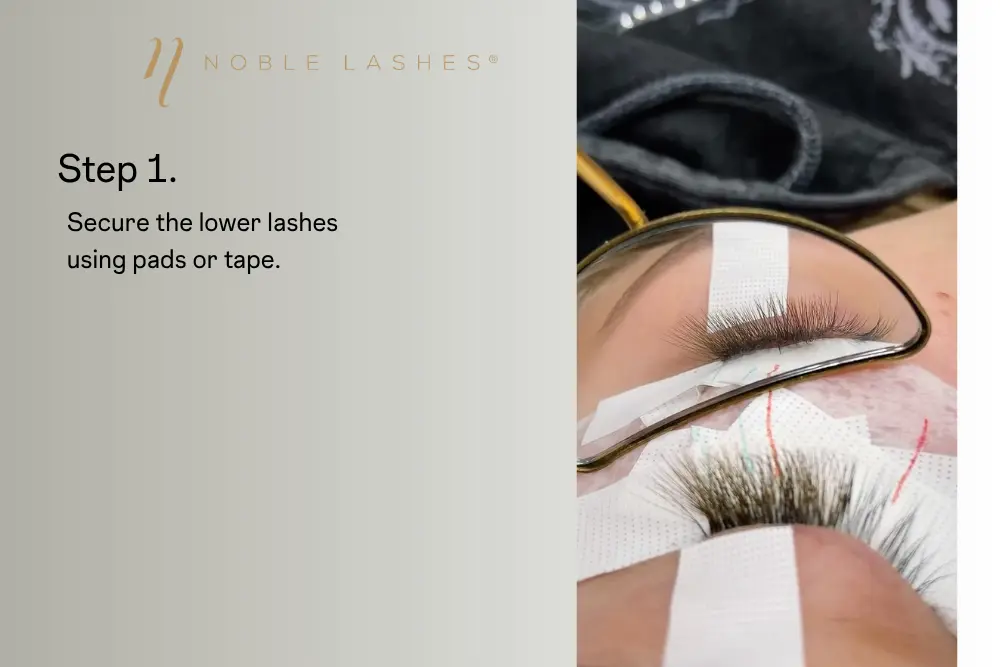
1. Secure the lower lashes
This is a basic step in every lash set – it not only protects the lower lash line but also stabilises the eyelid so you can map freely. Use eye pads or tape for this step.
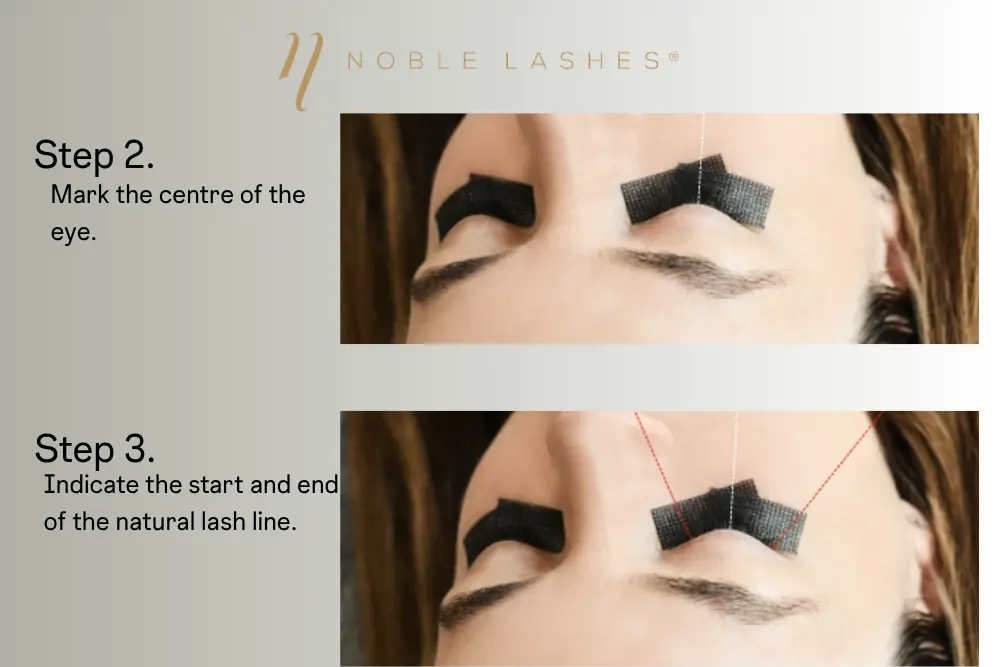
2. Mark the individual centre of the eye
Don’t assume the centre is in the same place on both eyes. Imagine a line going through the centre of the pupil – mark it on the pad.
3. Indicate the start and end of the lash line
Mark where the lash line begins and ends. See if these points match up on both eyes – often they’ll be slightly off.
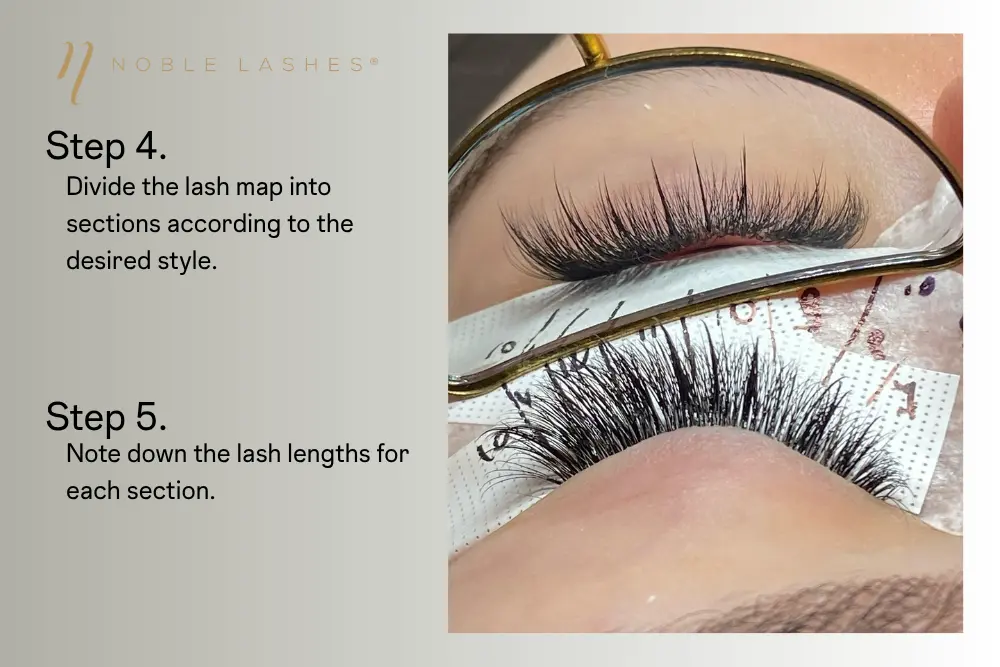
4. Divide the map into segments
Depending on the desired effect (e.g. cat eye, dolly, Kim K), mark the next map sections accordingly.
5. Adjust lengths, curls, and volume
This is the most important step – mark the lash lengths along each section, and optionally note curl and thickness too.
Remember
- for a larger eye, you can use shorter lashes to balance the look
- for a smaller eye, choose a stronger curl and slightly longer lengths to open it up visually.
Why individual lash mapping is the key to success
Using ready-made lash maps is a great solution, especially for beginners. But they won’t work for every eye shape – particularly when visible asymmetry is involved.
That’s why individual mapping:
- solves the issue of asymmetry,
- allows you to create natural, balanced lash sets,
- gives you full control over the final result.
Want to improve your lash extension skills?
→ Become a professional lash stylist – join a Noble Lashes training ←
Recommended
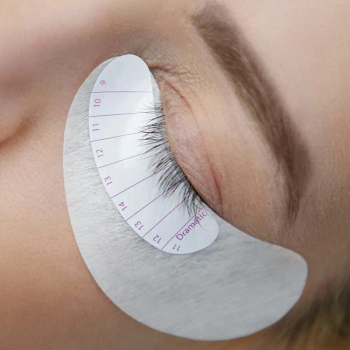
Professional Lash Map Stickers
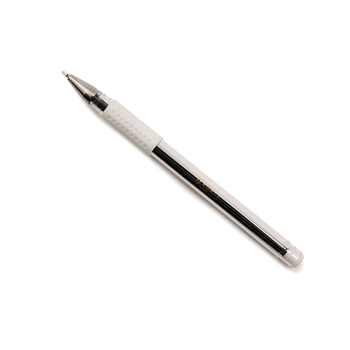
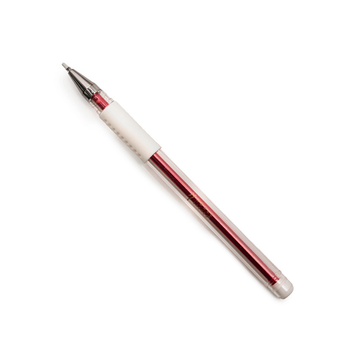
Eyelash Mapping Planning Pen
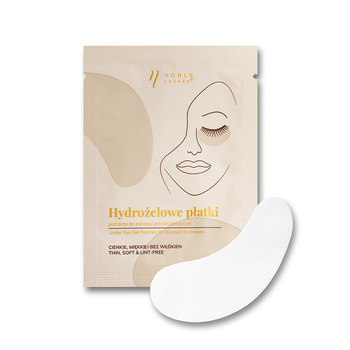
Hydrogel under-eye pads for eyelash extension treatment
Hydrogel under-eye pads for eyelash extension treatment
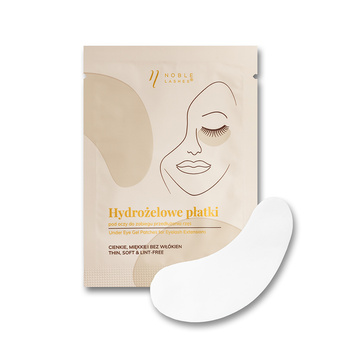
Hydrogel under-eye pads for eyelash extension treatment