Eyebrow Henna – Facts and Myths
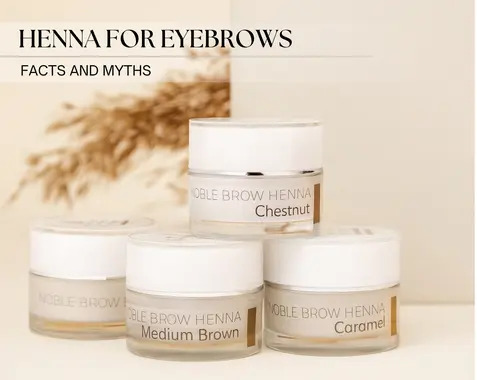
Henna is the most popular method for enhancing the eye area. It’s used to darken the hairs on both the eyebrows and eyelashes. It provides a natural effect that can be easily tailored to suit the client’s features. Over the years, as henna colouring has gained popularity, many myths have emerged around it. Let’s separate the facts from the fiction.
In this article, you’ll learn:
➤ What is eyebrow henna?
➤ Types of henna
➤ Myths about henna
What is eyebrow henna?
Henna is a dye used to darken and visually thicken hair. Depending on the type, henna can also tint the skin, which helps conceal sparse areas in the brow arch.
Types of henna
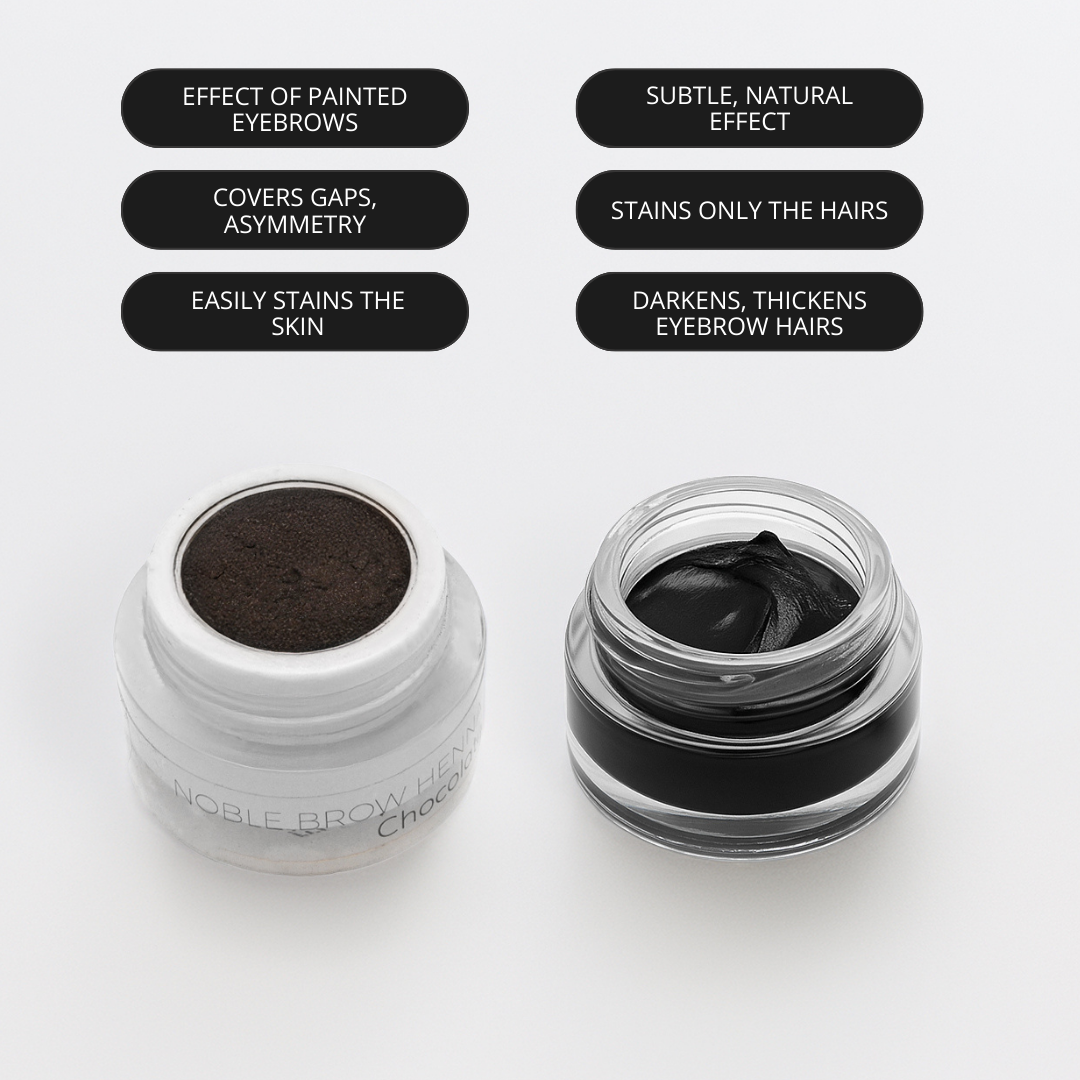
There are two main types of henna available: powder henna and gel henna. The one you choose will depend on the desired result.
Powder Henna
Powder henna for brows dyes both the hairs and the skin, making it ideal for clients looking for a permanent makeup-like effect with fuller, more defined brows. To achieve a natural and aesthetically pleasing result, it's important to match the henna shade to the client’s natural hair colour, eye colour, and skin tone. At Noble Lashes, you’ll find a full range of browns to help you select the perfect shade effortlessly.
Discover the powder henna shades available at Noble Lashes →Noble Lashes Powder Henna←
Gel Henna
Gel henna provides a subtle and very natural effect, tinting mainly the hairs and leaving the skin clean. It’s ideal for clients with softer facial features or those who prefer a more delicate enhancement around the eyes.
Explore gel henna colours →RefectoCil Henna←
Myths about eyebrow henna
Can eyebrow henna cause allergies?
Many believe that because henna is a natural dye, it never causes allergic reactions—even on the most sensitive skin.
FACT: While henna is made from natural ingredients, the versions used in beauty salons often contain PPD, a synthetic dye used to intensify the colour.
 Important: Always consult your client before the treatment. If you’re unsure whether they may have an allergic reaction, carry out a patch test 48 hours prior to application.
Does henna provide a permanent effect?
Henna certainly lasts longer than using brow pencils, powders or pomades—so many expect a permanent result.
FACT: Henna lasts longer on the hairs and skin compared to makeup, but it does not replace permanent makeup. The dye sits on the surface, not beneath the skin.
Remember: A well-applied henna brow treatment lasts around 3 to 6 weeks.
Does henna damage the hair?
It’s often said that henna can damage or weaken the hairs. Poorly performed henna treatments can indeed affect the hair structure.
FACT: When applied correctly, high-quality henna does not damage the hair—in fact, it can thicken and add a healthy shine.
How to apply henna without damaging the hair?
- Always use professional, high-quality, trusted products.
- Select the right type of henna based on the condition and structure of the hair—remember, powder henna gives a stronger result, so for damaged or fine hairs, opt for RefectoCil gel henna.
- Follow the manufacturer’s instructions—the product left on too long can dry out or weaken the hairs.
- Encourage proper aftercare—recommend castor oil between treatments to nourish the brows and lashes.
- Avoid overdoing treatments—repeat the colouring procedure every 3 to 4 weeks.
- Be gentle when removing henna—avoid rubbing the hairs too harshly.
Is gel henna less effective and not worth using?
Gel henna mainly tints the hairs, not the skin like powder henna. Therefore, it may appear less intense and not last as long for some people.
FACT: RefectoCil gel henna can last on the hairs for up to 4 weeks.
Is it worth tinting your brows with henna?
Henna brow tinting is one of the most natural and safest ways to add colour. The effect can last several weeks, and you can customise the result based on your client’s expectations. Depending on the application time and chosen shade, you can control the intensity. Henna pairs beautifully with brow lamination treatments.
Remember, comfort and safety in your salon are not just health regulations—they’re part of your professional image.
Take care of yourself and your clients!
Stock up on high-quality products and stay up to date with the latest knowledge!
Recommended
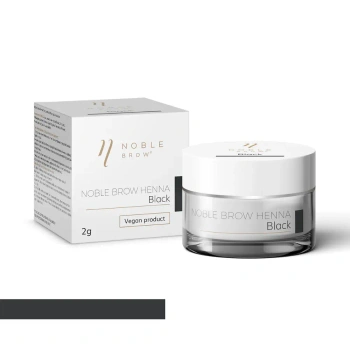
Brow henna Noble Brow - Black
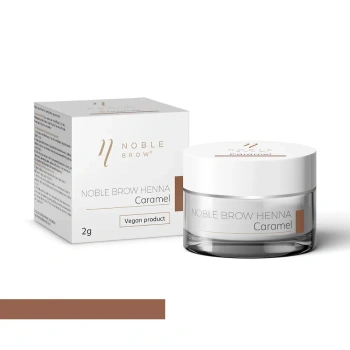
Brow henna Noble Brow - Caramel
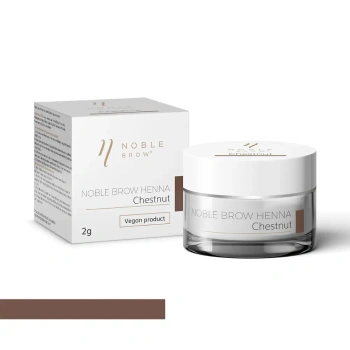
Brow henna Noble Brow - Chestnut
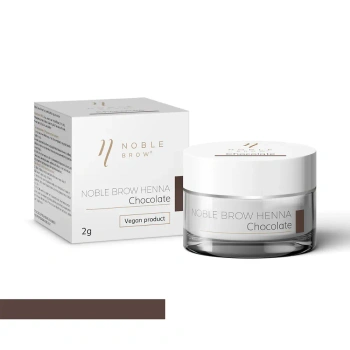
Brow henna Noble Brow - Chocolate
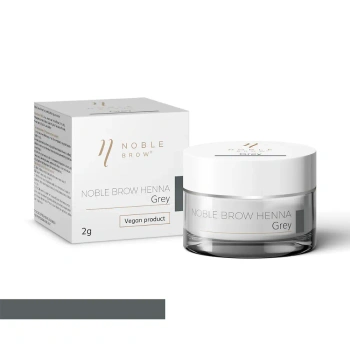
Brow henna Noble Brow - Grey
 Special offer
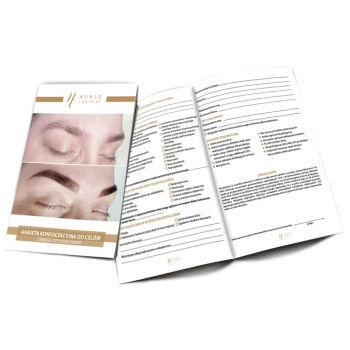
Consultative survey for eyebrow treatment polish
Consultative survey for eyebrow treatment polish